

What Chronic Pain Steals (And How to Get It Back)
Research on chronic pain reveals something most people don't talk about
People with chronic pain struggle to feel positive emotions.
Whether that's a result of living with pain, or whether being predisposed to feeling less happiness makes you more vulnerable to chronic pain in the first place, is still unclear.
But what is clear is this: experiencing more positive emotions improves how painful your symptoms feel.
Which means if you can find a way to access joy, awe, or delight on a regular basis, you're not just improving your mood. You're actually changing your pain experience.
The Problem: You've Forgotten How to Feel Awe
If you're a high-functioning, over-controlled achiever, there's a good chance you've spent years optimizing your life for productivity, not for wonder.
You've gotten so wrapped up in routines, performance, and control that you stopped being curious about life. You stopped noticing the things that used to move you.
This isn't a character flaw. It's a survival strategy that worked until it didn't.
But here's the good news: researchers at UC Berkeley have uncovered a relatively simple practice you can start today to add more joy to your life, improve well-being, and increase your likelihood of behaving generously.
Seek awe.
What Awe Actually Is (And Where to Find It)
The researchers defined awe "as the feeling of being in the presence of something vast that transcends your understanding of the world."
That might bring something extraordinary to mind: the Grand Canyon, the vastness of the ocean, the towering redwoods.
But awe can also be found in the mundane details of everyday life if you pay attention.
Listening to your favorite song and really hearing it. Reading about an incredible feat of kindness, bravery, or athleticism. The feeling of your child's hand in yours. Peering up at the luminous full moon. Watching a stranger help someone without being asked.
One of the greatest gifts of mindfulness practice has been restoring a sense of awe to everyday life. If you watch a two-year-old, you'll see they experience awe regularly because everything they see or experience is new.
Somewhere along the line, you stopped being curious. You stopped letting yourself be moved by things.
This practice is about getting that back.
Why This Matters for Chronic Pain
The researchers found that each burst of awe a person experienced resulted in greater curiosity and well-being even two weeks later.
Not just in the moment. Two weeks.
Which means that cultivating awe isn't just a "nice to have." It's a neurological intervention.
It rewires the parts of your brain that have been stuck in threat mode. It teaches your nervous system that the world contains beauty and safety, not just danger and demands.
For people with chronic pain, this shift can be the difference between a pain level of 7 and a pain level of 4. Not because the tissue damage changed, but because the brain's interpretation of the signal changed.
How to Start
Set an intention today to seek out awe in everyday moments.
This doesn't require a trip to the Grand Canyon or a week-long retreat. It requires paying attention.
Notice when something moves you, even slightly. Let yourself linger in that moment instead of rushing to the next thing. Name it: "This is awe." "This is beauty." "This is wonder."
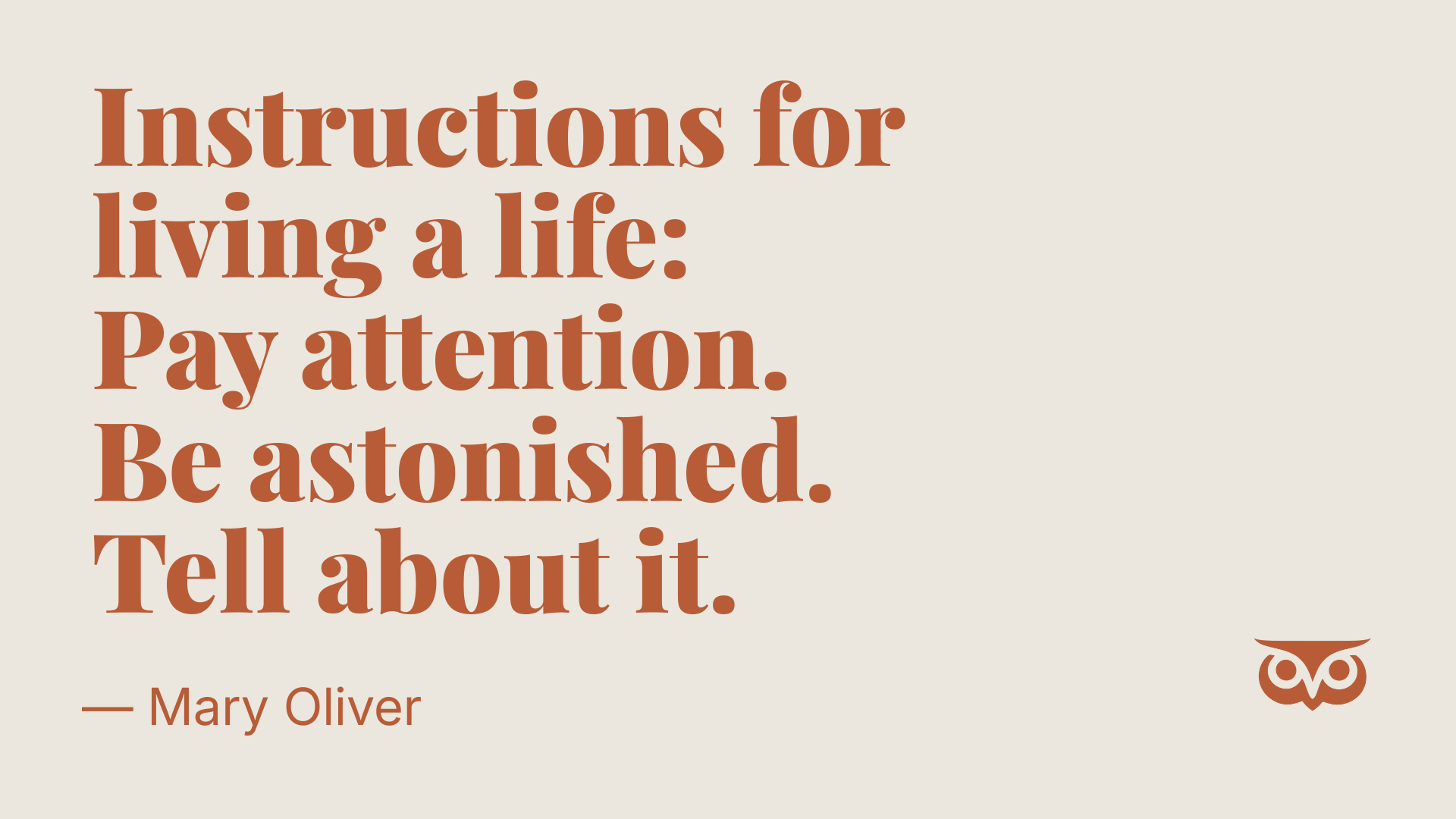
The poet Mary Oliver wrote: "Instructions for living a life: Pay attention. Be astonished. Tell about it."
My wish for you is that you be mindful and curious enough that every day, you "see or hear something that more or less kills you with delight."
If You're Ready to Rebuild Your Capacity for Joy
This kind of work retraining your nervous system to access positive emotions, building your capacity for awe and presence, learning to soften the grip of over-control is central to what we do in therapy.
Especially for clients whose perfectionism and rigidity have created chronic pain, burnout, and emotional flatness.
FAQ
What is awe and how is it defined in this context?
How does experiencing positive emotions affect the perception of chronic pain?
Who is most likely to struggle with accessing these feelings of wonder?
What is the difference between a survival strategy and a character flaw in this context?
What are some practical ways to practice seeking awe daily?
How does therapy help individuals who have lost their capacity for joy?
Beyond the insight.
Knowledge is the first step; integration is the work. If you're ready to move these concepts into your actual life, let's talk about a strategic path forward.
Book a Consultation