

Loving Kindness & Chronic Pain
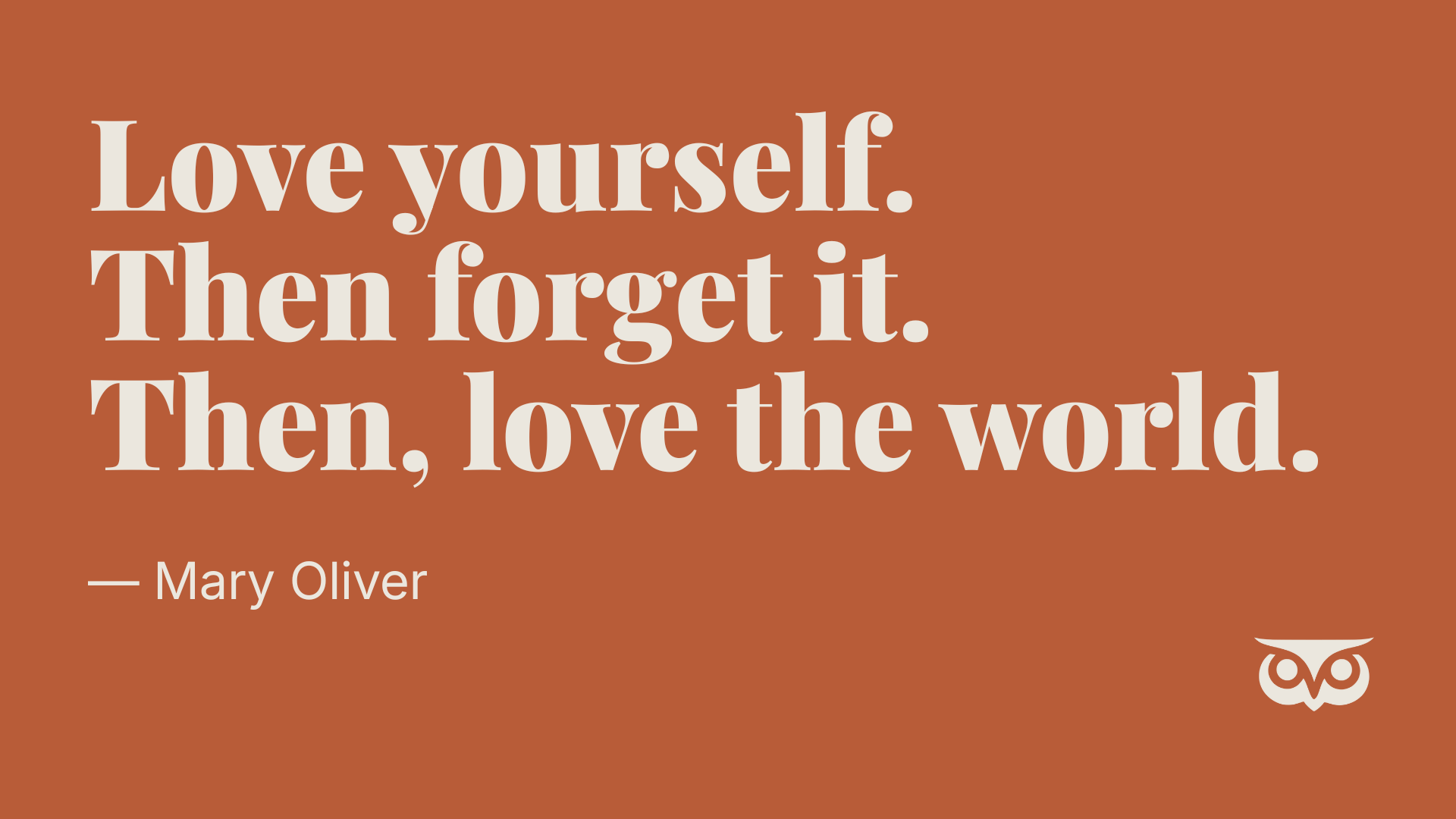
The Two Skills That Change Everything
If I could give you just two tools to transform your relationship with chronic pain, burnout, and anxiety, they would be these:
The ability to tolerate uncertainty. The ability to be kind to yourself.
Not exactly what you expected from a therapist, right?
Here's why these matter more than any coping strategy or stress management technique you've tried before.
Why High Achievers Struggle With Both
If you're reading this, there's a good chance you've spent your life doing the opposite:
Controlling uncertainty through planning, perfectionism, and relentless preparation
Treating yourself like a problem to be fixed, not a person to be cared for
These strategies worked…until they didn't.
Now the same traits that built your career are creating chronic pain, emotional exhaustion, and a nervous system that won't turn off.
The Practice That Builds Both Skills at Once
Loving-kindness meditation is the most efficient tool I know for developing uncertainty tolerance and self-compassion simultaneously.
Unlike traditional mindfulness (which can feel like sitting with discomfort for the sake of it), loving-kindness meditation gives your nervous system something safe to focus on: warmth, connection, and well-wishing.
It's not about "fixing" yourself. It's about softening the reflex to treat yourself like an adversary.
What The Research Shows
Loving-kindness meditation isn't just a nice idea. It's one of the most well-researched interventions in psychology.
For chronic pain: Reduces both physical pain intensity and the psychological distress that amplifies it.
For emotional well-being: Increases feelings of love, gratitude, joy, awe, and connection—the exact states that over-controlled individuals struggle to access.
For nervous system regulation: Increases vagal tone, which allows your body to recover from stress more quickly (instead of staying stuck in fight-or-flight).
For mental health: Decreases symptoms of anxiety, depression, PTSD, and even schizophrenia.
For self-relationship: Reduces self-criticism and increases empathy, safety, and emotional flexibility.
For longevity: Literally lengthens telomeres, slowing cellular aging.
This practice doesn't just make you feel better. It changes your biology.
How to Start
Loving-kindness meditation is simple, but not always easy (especially if you're used to earning love through achievement).
Here's the basic structure:
Start with someone easy. Think of someone you naturally feel warmth toward—a pet, a child, a mentor.
Silently repeat phrases of well-wishing. Common ones include: May you be safe. May you be healthy. May you live with ease.
Gradually expand the circle. Move to yourself, then to neutral people, then to difficult people.
Notice resistance without judgment. If it feels awkward or forced, that's data—not failure.
Start with 5 minutes. You're not trying to "feel" anything specific. You're training your nervous system to tolerate kindness.
If You're Ready to Go Deeper
Loving-kindness meditation is one of the core tools we use in therapy; especially for clients working with chronic pain, burnout, or the kind of emotional rigidity that comes from years of high performance.
If you're in Utah or California and want to explore how this fits into a broader treatment plan (including Pain Reprocessing Therapy, RO-DBT, or EMDR), I'd be glad to talk.
FAQ
What is loving-kindness meditation?
How does this practice affect the nervous system and biology?
Who can benefit most from practicing these skills?
Is loving-kindness meditation just about feeling positive emotions?
What is a simple way to begin a meditation session?
How is this practice integrated into professional therapeutic support?
Beyond the insight.
Knowledge is the first step; integration is the work. If you're ready to move these concepts into your actual life, let's talk about a strategic path forward.
Book a Consultation